Collection: Skincare Moisturiser

Choose the Right Moisturiser for Your Skin Type and Goals

A face moisturiser is a cornerstone of any effective skincare routine. The right moisturiser doesn’t just feel pleasant—it hydrates, fortifies the skin barrier and helps your skin look smoother and healthier. Whether your skin is dry and tight, oily and shiny, combination or mature and textured, selecting the correct texture and formulation matters. Gel-creams suit oily or combination types, richer creams or balms benefit very dry or mature skin, and lightweight lotions work well in warmer climates. Experts emphasise choosing a formula that matches your skin type, contains barrier-supporting ingredients like ceramides, and is used consistently morning and night.

Everything You Need To Know About Our Natural Skincare Range

How do I know which moisturiser is best for my skin type?

Start by identifying your skin’s current condition—does it feel tight, look dull or textured (indicating dryness) or become shiny and break out easily (indicating oiliness or imbalance)? Dry skin benefits from richer creams or balms with occlusive or emollient ingredients, while oily or combination skin usually likes gel-textures, lightweight lotions or oil-free formulas. Also consider environmental factors (cold, dry weather increases thirst for moisture) and whether you use active treatments that may increase the need for barrier support. Matching your moisturiser’s texture and active profile to your skin ensures comfort, balance and better results.

How often should I use a moisturiser, and when is the best time to apply it?

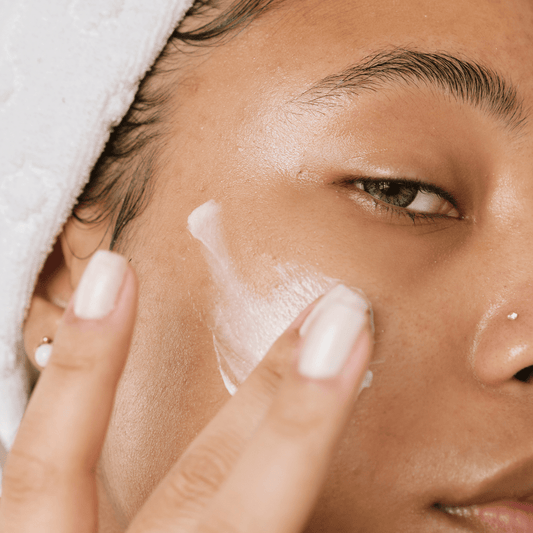
For optimal results, apply moisturiser twice daily—once in the morning after your serums and once at night as the final step of your routine. Applying to clean, slightly damp skin helps lock in hydration. Using moisturiser consistently supports your skin barrier, reduces visible dryness or tightness and enhances absorption of treatments. In the morning, a lighter formulation may suffice (especially if you layer SPF and makeup). At night, a richer cream may help repair and replenish while you sleep.

What ingredients should I look for in a moisturiser for barrier-repair and hydration?

High-performing moisturisers often contain humectants (such as glycerin or hyaluronic acid) to draw water into the skin, emollients (such as plant oils or squalane) to smooth texture and occlusives (such as ceramides or lipid-rich ingredients) to reduce moisture loss. Ingredients such as ceramides play a crucial role in maintaining the skin barrier and helping prevent dryness or irritation. Choosing a formula with these layers ensures your skin not only receives hydration but also retains it effectively.

How long will it take to see benefits from using the right moisturiser?

Some improvements—such as feeling of comfort, reduced tightness and smoother surface—can often appear within a week of consistent use. More visible changes like improved radiance, fewer dry patches and better makeup application tend to emerge after four to six weeks, as the barrier improves and hydration becomes sustained. Maintaining morning and night application and choosing the right formula for your skin type are key to lasting improvement.

Build a Hydration-First Routine and Lock in Lasting Moisture

Moisturiser should follow your treatment serums and then be sealed with protection in daytime or deeper nourishment at night. Skipping moisturiser or using the wrong texture for your skin may leave it vulnerable to dehydration, irritation or rebound oiliness. According to skincare guidance, applying a moisturiser to clean, slightly damp skin and using it twice daily helps reinforce your skin’s protective barrier and supports long-term skin health.